
Benefits of Nature-Based Learning for Children
- Bridget Seymour
- Sep 30
- 5 min read

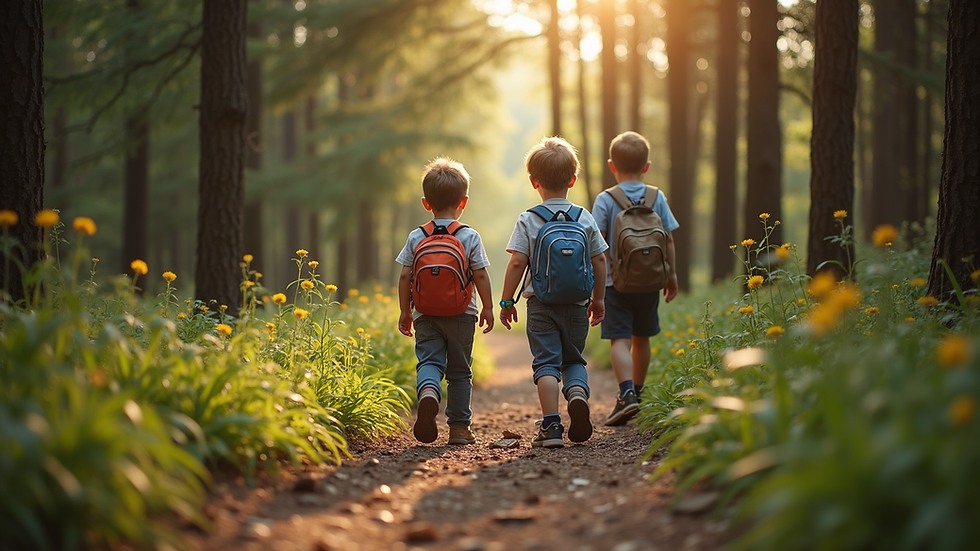
In today's fast-paced world, children often find themselves disconnected from nature. With screens dominating their attention, the great outdoors can seem like a distant memory. However, nature-based learning offers a refreshing approach that reconnects children with the environment. This method not only enhances their education but also nurtures their overall well-being.
In this blog post, we will explore the numerous benefits of nature-based learning for children. From improved cognitive skills to emotional resilience, the advantages are vast and impactful. Let’s dive into how nature can be a powerful teacher.
What is Nature-Based Learning?
Nature-based learning is an educational approach that incorporates the natural environment into the learning process. This can take many forms, such as outdoor classrooms, nature walks, or hands-on activities in parks and gardens. The goal is to engage children with their surroundings, fostering a sense of curiosity and exploration.
By stepping outside the traditional classroom, children can experience learning in a dynamic and interactive way. They can observe wildlife, study plants, and even conduct experiments using natural materials. This approach encourages them to ask questions and seek answers, promoting critical thinking skills.
Enhancing Cognitive Development
One of the most significant benefits of nature-based learning is its positive impact on cognitive development. Research shows that spending time in nature can improve attention spans, memory, and problem-solving skills.
Improved Attention and Focus
Children often struggle with attention in a conventional classroom setting. Nature provides a refreshing change of scenery that can help them focus better. Studies have found that children who engage in outdoor activities show improved concentration and reduced symptoms of attention deficit hyperactivity disorder (ADHD).
Boosting Creativity
Nature stimulates creativity in children. When they are surrounded by trees, flowers, and wildlife, their imaginations can run wild. Activities like building forts, creating art from natural materials, or storytelling in a forest setting encourage creative thinking.
Hands-On Learning
Nature-based learning allows for hands-on experiences that reinforce academic concepts. For example, measuring the height of a tree can teach children about math and science. Observing the life cycle of a butterfly can enhance their understanding of biology. These real-world applications make learning more relevant and engaging.
Emotional and Social Benefits
Nature-based learning also fosters emotional and social development. Children who spend time outdoors often exhibit improved mood and reduced stress levels.
Building Resilience
Nature teaches children how to cope with challenges. Climbing a tree or navigating a rocky path requires perseverance and problem-solving. These experiences help children develop resilience, which is essential for overcoming obstacles in life.
Enhancing Social Skills
Outdoor learning often involves group activities, which promote teamwork and communication. Children learn to collaborate, share ideas, and respect each other's opinions. These social interactions are crucial for developing strong relationships and social skills.
Connection to Nature
Spending time in nature fosters a sense of connection to the environment. Children learn to appreciate the beauty of the natural world and understand their role in protecting it. This connection can lead to a lifelong commitment to environmental stewardship.
Physical Health Benefits
Nature-based learning is not just good for the mind; it is also beneficial for physical health.
Encouraging Physical Activity
Outdoor learning encourages children to be active. Whether they are running, climbing, or exploring, they are engaging in physical activity that promotes fitness. This is especially important in an age where sedentary lifestyles are becoming the norm.
Reducing Stress
Nature has a calming effect on the mind and body. Studies have shown that spending time outdoors can lower cortisol levels, which are associated with stress. Children who engage in nature-based learning often report feeling happier and more relaxed.
Vitamin D and Fresh Air
Being outdoors exposes children to sunlight, which is essential for vitamin D production. This vitamin is crucial for bone health and immune function. Additionally, fresh air can improve respiratory health and overall well-being.
Practical Examples of Nature-Based Learning
Implementing nature-based learning can be simple and fun. Here are some practical examples that parents and educators can use:
Nature Walks
Organize regular nature walks where children can explore local parks or nature reserves. Encourage them to observe plants, animals, and natural features. Provide them with a journal to document their findings.
Gardening Projects
Starting a garden can be a rewarding experience for children. They can learn about plant growth, responsibility, and the importance of healthy eating. Gardening also provides a hands-on way to connect with nature.
Outdoor Science Experiments
Conduct science experiments outdoors using natural materials. For example, children can create a simple water filtration system using sand, gravel, and charcoal. This hands-on activity teaches them about environmental science and engineering.
Nature Art
Encourage children to create art using natural materials. They can collect leaves, twigs, and stones to make collages or sculptures. This activity promotes creativity while connecting them to their surroundings.
Overcoming Challenges
While the benefits of nature-based learning are clear, there can be challenges in implementing it. Here are some tips to overcome common obstacles:
Limited Access to Nature
Not all families have easy access to parks or natural areas. However, nature can be found in urban settings too. Look for community gardens, green spaces, or even your backyard.
Weather Considerations
Weather can be unpredictable, but outdoor learning can still happen in various conditions. Dress appropriately for the weather and plan activities that suit the environment. For example, a rainy day can be perfect for exploring puddles and studying water cycles.
Safety Concerns
Safety is a priority when engaging in outdoor activities. Always supervise children and teach them about potential hazards in nature. Establish clear rules for exploring and ensure they understand how to stay safe.
The Future of Nature-Based Learning
As we move forward, the importance of nature-based learning will only grow. With increasing concerns about mental health and environmental issues, reconnecting children with nature is essential.
Advocacy for Outdoor Education
Educators and parents can advocate for more outdoor education programs in schools. By highlighting the benefits of nature-based learning, we can encourage schools to incorporate outdoor activities into their curriculum.
Community Involvement
Communities can play a vital role in promoting nature-based learning. Local organizations can host outdoor events, workshops, and educational programs that engage children and families.
Lifelong Learning
Nature-based learning instills a love for the outdoors that can last a lifetime. Children who grow up exploring nature are more likely to continue these habits as adults. This connection can lead to healthier lifestyles and a greater appreciation for the environment.
Embracing the Great Outdoors
In conclusion, nature-based learning offers a wealth of benefits for children. From cognitive and emotional development to physical health, the advantages are undeniable. By embracing the great outdoors, we can provide children with enriching experiences that shape their lives for the better.
Encouraging children to explore, learn, and play in nature is a gift that will last a lifetime. Let us inspire the next generation to appreciate the beauty of the world around them and become stewards of the environment.


Comments